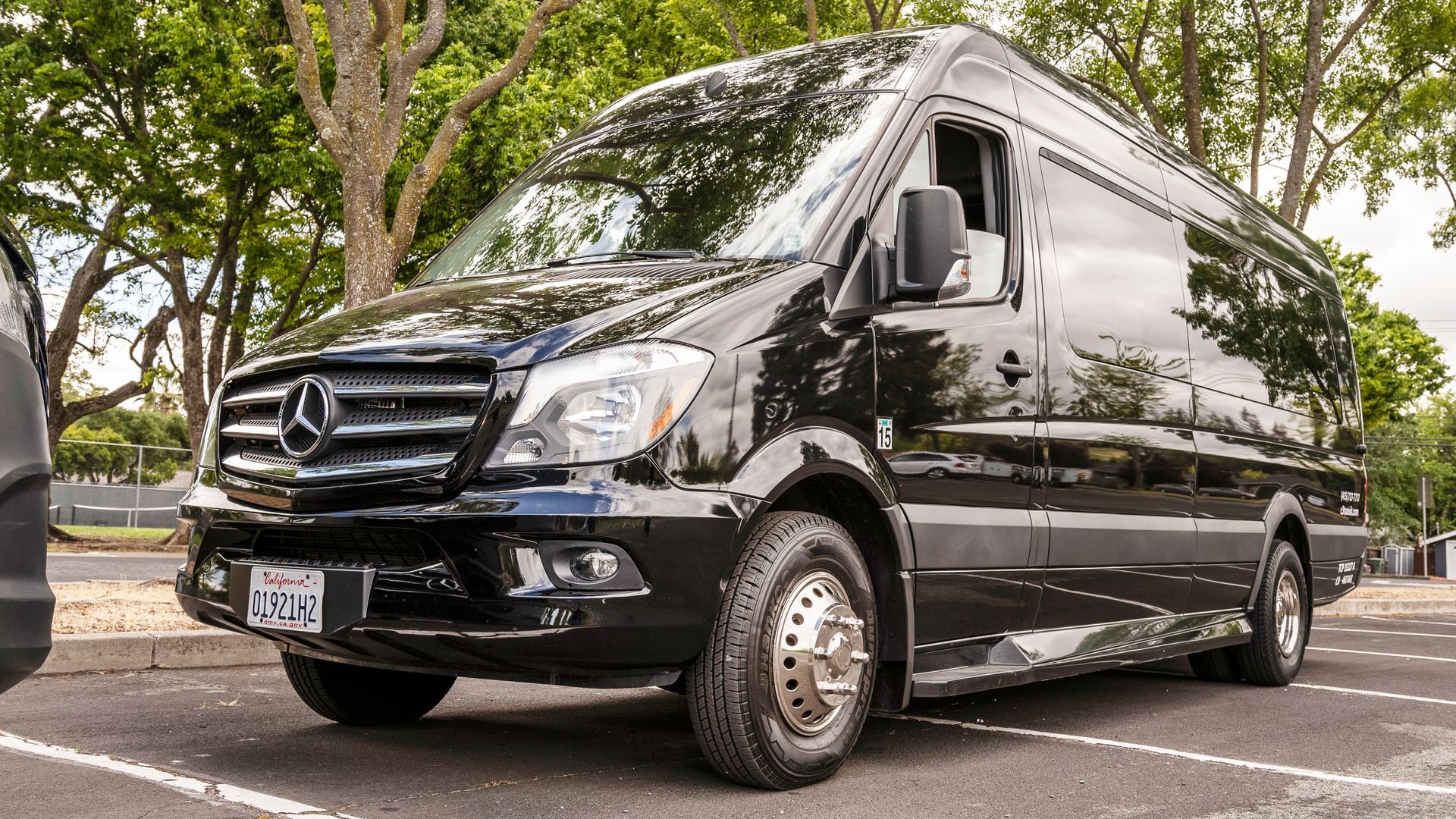
Shared commuting is a crucial component of contemporary transit, linking individuals to their daily obligations efficiently and dependably. Whether attending professional engagements, social gatherings, or planned activities, travelers anticipate a combination of safety and comfort. Prioritizing safety, comfort, and professional conduct defines the benchmark of excellent group transportation. Efficiently managed group travel alleviates anxiety, improves efficiency, and fosters passenger well-being. Emphasizing safety enables commuters to experience journeys with assurance and ease. Ensuring passenger security and reliability establishes the base for a consistent commuting experience.
At Code 3 Transportation, safety is treated as a continuous process rather than a one-time effort. Each operational protocol, guideline, and decision exemplifies commitment to passenger safety and professional service. Cooperative travel demands meticulous planning, ongoing driver development, and proactive oversight to fulfill growing expectations. By prioritizing details, commuting services establish trustworthy and secure travel conditions. Here we examine key safety practices that form the backbone of effective group commuting systems. Sections below demonstrate how adherence to standards ensures consistent, safe transportation outcomes.
Extensive Operator Education and Licensing
Qualified drivers form the cornerstone of a secure commuting operation. Thorough driver education guarantees familiarity with defensive driving, regulatory compliance, and effective passenger interaction. Periodic testing strengthens adherence to safety protocols and operational consistency. Driver courses address risk identification, alertness maintenance, and environmental awareness. Structured learning empowers drivers to manage different road and traffic scenarios effectively. Careful preparation mitigates risks and reinforces trust in daily operations.
Ongoing education plays a critical role in maintaining high standards over time. Drivers continue development with ongoing courses and evaluations post-certification. These initiatives support adaptation to updated laws and current safety requirements. Effective interpersonal training promotes courteous and safe passenger engagement. Knowledgeable and attentive operators handle unforeseen events more adeptly. Persistent professional development improves commuter assurance and performance consistency.
Rigorous Vehicle Inspection and Maintenance
A well-maintained vehicle is essential for safe group transportation. Scheduled examinations reveal problems early, preventing major malfunctions. Essential systems including braking, tires, illumination, and steering are carefully reviewed. Proactive upkeep plans minimize in-service failures. This proactive approach protects both passengers and drivers. Consistent inspections demonstrate a commitment to long-term reliability.
Fleet upkeep protocols include thorough tracking and managerial oversight. Accurate documentation enables monitoring of vehicle health and persistent concerns. Technological analysis aids in anticipating mechanical failures. Neat and well-kept vehicles create a safer, more pleasant journey. Optimal performance of all systems reduces transportation hazards. Structured maintenance cultivates passenger confidence in service reliability.
Advanced Safety Technology and Monitoring Systems
Current tech solutions improve conventional safety methods. Onboard monitoring systems provide real-time data on speed, braking, and driving patterns. These tools help identify areas for improvement and reinforce responsible behavior. Satellite navigation aids route optimization and emergency preparedness. Detection and recording systems improve overall monitoring and accountability. Combined, the tools provide an added safeguard for passengers.
Technology also supports proactive management strategies. Trend monitoring helps direct educational and maintenance priorities. Automatic notifications keep supervisors aware of operational irregularities and maintenance needs. Tech-enabled communication improves driver-dispatch interaction and efficiency. By integrating intelligent systems, transportation providers strengthen situational awareness. Advanced tech ensures uniform performance and responsible management.
Clear Passenger Safety Protocols and Guidelines
Establishing clear passenger guidelines supports safe and orderly commuting. Rules encompass seat assignments, access protocols, and passenger conduct standards. Informational materials help travelers understand their responsibilities during transit. Code 3 Transportation emphasizes transparent communication to encourage cooperation and mutual respect. When passengers feel informed, they are more likely to follow established procedures. Mutual commitment to guidelines strengthens overall passenger security.
Personnel copyright these guidelines with polite prompts and steady oversight. Visual signage and verbal instructions clarify expectations without causing inconvenience. Emergency exits, seatbelt usage, and luggage placement receive particular attention. Organized routines minimize crowding and promote passenger ease. A predictable environment enhances comfort and minimizes potential hazards. Established procedures ensure orderly and dependable commuting.
Crisis Readiness and Action Plans
Effective emergency planning prepares teams to respond calmly and efficiently. Detailed procedures define responses to medical, technical, and environmental challenges. Regular drills familiarize drivers and staff with these procedures. Defined communication channels allow rapid coordination with backup personnel. Advance planning decreases hesitation during critical events. This readiness protects passengers and maintains service continuity.
Emergency equipment is another essential component of preparedness. Accessible first aid, fire safety, and communication equipment enhance readiness. Staff members receive training on proper equipment usage. Structured communication protocols streamline coordination with emergency services. Documentation and review follow each incident to strengthen future responses. These measures reinforce organizational resilience.
Sanitation, Hygiene, and Eco-Friendly Safety Measures
Clean and hygienic vehicles contribute to both physical safety and passenger comfort. Frequent cleaning focuses on touchpoints and communal areas. Ventilation systems are maintained to promote healthy air circulation. Effective disposal practices reduce hazards and maintain cleanliness. Hygienic measures improve comfort and safety during travel. Attention to vehicle cleanliness demonstrates operational professionalism.
Eco-conscious practices contribute to safe group travel. Proper disposal of materials and responsible vehicle operations reduce environmental impact. Personnel follow established protocols for environmental responsibility. Hygiene standards complement wider wellness and safety goals. Passenger confidence and comfort directly influence satisfaction levels. Integrated safety and wellness practices strengthen operational standards over time.
Regular Review and Progressive Improvement
Performance evaluation ensures that safety standards remain consistently high. Regular audits review driving behavior, maintenance records, and operational procedures. Input cheap limo rental mechanisms engage employees in refining procedures. Analytical reviews guide evidence-based operational choices. Open review processes foster responsibility throughout the organization. Such a system strengthens a safety-focused and high-performing culture.
Ongoing development draws insight from past outcomes. Incident reports and customer feedback provide valuable insights. Operational leaders study data to pinpoint areas for improvement. Education initiatives adapt to emerging requirements. Flexibility supports long-term operational robustness. Continuous monitoring ensures lasting efficiency and safety.
Building a Safety-First Organizational Culture
A strong safety culture unites policies, procedures, and personal responsibility. Executive involvement establishes expectations for safe conduct. Personnel are motivated to integrate safety into all operational actions. Clear pathways for communication enhance staff collaboration and accountability. Recognition programs reinforce positive behavior. This collective mindset strengthens organizational integrity.
Code 3 Transportation weaves safety standards throughout each service process. From recruitment to daily operations, standards remain consistently reinforced. Staff recognize their role in ensuring traveler safety and comfort. Continuous learning and mutual respect guide professional conduct. Maintaining these standards ensures consistent, trustworthy transportation. A safety-first culture ensures lasting trust and operational excellence.